Sunday, 3 August 2014

Go-to summer Frittata


Well, it is safe to say that for the second time round, motherhood has hit me like a ton of bricks! Knowing that pregnancy sent my thyroid haywire last time round I am keeping an extra close eye on things, and trying to ensure I remain on a (relatively) even keel. Awareness is everything at this stage, if I feel my mood dipping I understand its my hormones going slightly out and that simple acknowledgement helps me feel more in control. I know I will get through it.

I have to admit though, thyroid issues or not - the lack of sleep is hard going. Did you know sleep deprevation is actually a form of torture?!! Delightful. But we are now three months post partum and they tell me I should be through the worst of it…..we shall see, I say.

Anyway – through all of the long nights and tough days one thing remains constant: our need for food. So I thought I would share my go-to recipe for the summer: a frittata. Its cheap and nutritious. It’s as quick and easy as you need it to be, can be made for lunch, served with side salad for dinner and you can add many more ingredients to it than I have. Go wild.

Frittata
1 diced onion
1 clove garlic
1 red pepper
1 or 2 potatoes sliced 1cm thick
6-8 eggs (add more yolks for extra nourishment)
Sprinkling of dried mixed herbs
Cheese grated or siced
Salt and pepper
Butter for frying

Method
Par boil potatoes whilst you fry off onion in a large frying pan. Fry off your onions for about 10 mins on a lowish heat so you don’t burn them.
Sprinkle the mixed herbs if you have them, then add your garlic and red peppers to cook for a couple of minutes before you add the potatoes. Turn up the heat slightly and cook for 5 minutes, turning potatoes once (I try and get them slightly crispy on one side).
Meanwhile, whisk your eggs.
Add eggs and turn heat down low, cook until the mixture is almost solid.
Add cheese and place under the grill to finish.


You're welcome!!

More soon.

Tuesday, 21 January 2014

Home-made stock recipe


I bang on about it enough so it's about time I shared some of my stock making tips with you. The beauty about this recipe is that it changes every time I make it. Different bones, different veg, different strengths, different tastes.

Bones

I get my bones from various sources. I always try to ensure they are from grass fed/pastured animals but sometimes this is not possible (check with your butcher where his meat comes from if you want to find out) so I have a freezer full of bones on standby.

Currently I have chicken carcasses, pigs trotters, lamb bones and some beef marrow bones. All uncooked and waiting to be flung in the pot. I also have a large plastic container (in the freezer) where I chuck any bones from meals, I have taken to buying a lot more meat on the bone so usually this fills up reasonably quickly too. Cooked or uncooked bones can be used for stock.

By far the most generous bone I have worked with is a beef knuckle. They are pretty big but I took 3 lots of stock off one. You will need a big pot.

And lets not forget fish! Fish head stock is known to be especially therapeutic to those of us with low thyroid function as fish thyroid glands are in their heads so you get all that T3 goodness in your stock. The last batch I made was used for a chowder and I felt amazing after eating it.

Vegetables

I generally use carrots, celery and onion but have been known to throw in whatever is getting old in my fridge: cauliflower and brocolli ends, green beans and even peppers! Sometimes all I have is a couple of carrots so thats all that goes in. Just use what you have. And dont forget to chuck in a bayleaf if you have one!!


So here is a basic recipe here to get you started but please don’t forget you can mix and match your vegetables, based on what you have available and you can mix and match your bones. I would go a step further there and say you SHOULD mix your bones as you can make the most amazing stock with a mixture. My last soup was made with lamb and chicken bones and was A-MAZ-ING.


Basic chicken stock
1 chicken carcass/chicken bones (Cooked or uncooked. After a roast chicken we pick the meat of and cook up those bones for our next soup but the carcasses I buy in the shop are uncooked)
1 onion quartered
2 celery sticks trimmed and broken in half
3 carrots trimmed and snapped in half
8 peppercorns
1 bayleaf
A dash of cider vinegar (to draw out the minerals from the bones – I promise you won’t taste it in the finished product)

Put all ingredients into a slow cooker or pan large enough to allow it to be covered with water by an inch or two. In a slow cooker a centimetre over should be fine.
Slow cook on high for 6-8 hours or low for 12-24 hours. If cooking on a hob bring to the boil then leave on a high simmer for 3 or 4 hours. Please ensure the bones are covered for the most part.
Once cooked you can allow to cool or drain straight away. 

Store carefully! 

If I am putting it in the fridge I will let it cool fully then place in glass jars but I have learned from losing too many batches to store it in plastic in the freezer, the glass tends to break on freezing or defrosting. 

Then use as you like! Make a tasty soup, add to stew. Cook your rice in it if you like! And if you are feeling adventurous you could boil down some of your chicken stock so its nice and strong (maybe half the volume, or less of your original stock) then pour into ice cube holders for some amazing homemade stock cubes! These can be chucked into any recipe that requires a stock cube!

Et voilà.

Impress your family and friends with amazing meals - the incredible taste you get from home made stock is second to none.

www.facebook.com/mythyroidtherapy


Monday, 13 January 2014

Heal your gut


For my first informative post this year I have decided to be more inclusive and so this post is likely to be beneficial to anyone and everyone who has a digestive system (about 99.9% of us I would reckon) and not just to those with a thyroid condition (which might only cover about 80-90% of the population (1))
 
The reason I am starting with gut health is because on my own healing journey it was the first thing I managed to do, before I took T3 medication, before I took liver tonic, before I took supplements, before I did anything else I took a huge step to mending my digestive system. And with good reason….

The state of your gastrointestinal tract (or GI tract) could well dictate the state of your health one way or another. They say that around 75% of your immune system resides in your intestine so it’s definitely an area worth looking after, not just if you suffer from an autoimmune thyroid condition where your immune system is impaired and can be tricked into attacking your gland. 

If you're still unsure it’s worth doing, think about this: if your gut aint working right, your body won’t be able to absorb and make use of nutrients quite so well from the food you eat and any supplements you ingest, so I think we can all now resolve to look after our gut in January and beyond.

It’s a two-step process

When you are trying to heal something you want give it nourishment to actively repair it and you also need to prevent any further damage being done. And luckily I can tell you how to do both of those things!

Nourishment: In order to actively repair the gut lining you should start consuming homemade bonebroth/stock/gelatin. (I will post a recipe soon). Make it part of your daily routine, drink a cup of broth before your meal, turn stock into a tasty soup for lunch, make a gelatinous sauce for dinner. There are so many benefits from consuming this stuff it should actually be given out at the doctors surgery to everyone who visits to help people get better.

Damage prevention: You’ve heard it before but I will say it again. A month off the grains will allow your gut to heal no end. Take 4 weeks without wheat, corn, rice, oats etc….instead eat potato latkes, roasted butternut squash, mince and tatties, homemade chips done in coconut oil even! Just lay off the grains and I assure you, your insides will heal noticeably. You will feel better.

Oh yeah – and another thing you should be aware of is legumes and pulses. They are fine in themselves but it’s just that the commercially prepared variety are not likely to have been properly prepared and will contain antinutrients which - as they sound - prevent you from absorbing nutrients! It would be of great benefit if you prepared your own properly. See here for details

Its as easy as that!! Get on it :)

www.facebook.com/mythyroidtherapy


(1) I reached this conclusion going by increasing numbers of underdiagnosed hypothyroidism according to Dr Broda Barnes who had great success treating thyroid disorders and who wrote several books in the 1970's. I read, 'Hypothyroidism: The Unsuspected Illness'. Have a look through a copy if you get a chance!

Thursday, 2 January 2014

A happy and healthy 2014 to you all!


I always find I am very reflective around the New Year and resolve to live better, be better, try harder etc etc. This year I have been reminding myself how far I have come on my recovery. I look at how tired I used to be, the constant fatigue I would feel from morning through to night. Waking up exhausted was part of normal life for me and I am incredibly relieved that I have moved on from there. 

I ponder where I might be had I not taken charge of my healthcare. Being in a position that I know many are currently in, where the levothyroxine was not working and the doctors were assuring me that my symptoms were not related to my thyroid I felt hopeless and lost in a life I no longer recognised as my own. When a dear friend talked to me about alternative treatments and methods of dealing with hypothyroidism I felt like I had been given a golden opportunity to recapture my life and I grabbed it with both hands. 

I am only too aware that it is very likely I may have experienced difficulties maintaining a pregnancy yet here I am, well into my second trimester and feeling as good as I can expect to with a 2 year old to run around after :)

My point here is this: I was once unwell and now I am a lot better. Things are happening in my life that I could never have expected had I remained on my previous trajectory. It is true I have followed non mainstream diet and lifestyle advice but it has succeeded in turning my life around, contrary to the advice from my doctors but this has allowed me to take control of my illness and my life, I now trust my body and learn from its reactions daily. 

My wish for the New Year is that I am able to continue sharing my story and hope that it may help some of you on your road to good health. I believe it is possible – I hope you do too.

Wednesday, 27 November 2013

Introducing Dr Weston Price - a name you will want to remember!


I am excited. 

I am very excited! 

I have purchased a ticket to one of the most interesting health conferences in Europe and the time cannot pass quickly enough till it’s here. In the mean-time however, it allows me an opportunity to introduce you to the man whose research founded the organisation running this event and one of my strongest influences when it comes to nutrition and diet.

Let me introduce you to….Dr Weston A Price

The Man: Dr Weston Price was a dentist working in Ohio, USA in the 1920’s where he noticed a great decline in dental health within his practice. There seemed to be ever increasing numbers of dental decay and crowded teeth  - so being a diligent man, he decided to investigate. Not just locally but worldwide…and his findings are simply incredible.

The Mission: He travelled the world to find groups of people who had been isolated from modern foodstuffs such as white bread, sugars and preservatives. He looked at people who ate traditional foods and discovered that the world over, these people had great facial structure (no crowding) and very healthy teeth. The diets of these people were far higher in minerals and fat soluble vitamin content than the modern diet.  He also found that the groups he studied were resilient with high natural immunity to diseases such as TB. They were happy and healthy – two things that ultimately go hand in hand as he was to discover.
Dr Price compiled his research in a book called NUTRITION AND PHYSICAL DEGENERATION, which is a fascinating read so I would urge you to get a copy and take a look for yourself but for a brief review of his research and some amazing pictures of the people he studied please read here.

The Legacy: In 1999 the Weston A Price Foundation was set up by Sally Fallon Morrell (she is one of the speakers I am very much looking forward to hearing at the event) to share the information from Dr Prices research about nutrition and how it so crucially affects human health. It provides continual research to support what these people instinctively knew so long ago and helps guide people on health issues.
The foundation runs annual conferences worldwide and the one I am attending in London next year gives me two day’s worth of talks and workshops with an array of speakers from Sally Fallon Morrell (founder of the foundation) to Chris Masterjohn PhD (expert on hormones and cholesterol) to Natasha Campbell McBride(creator of the GAPS diet as treatment for autism, ADHD/ADD, dyslexia, dyspraxia, depression and schizophrenia).

So perhaps you can start to see why I am excited. This conference is big and it seems to be getting bigger each year. 

 
Want to get involved? For more information and to book tickets, visit: westonaprice.org/london.

Share your story www.facebook.com/mythyroidtherapy

Sunday, 27 October 2013

Fluoride

I really believe everyone should have an awareness that thyroid function exists in a delicate balance, whether you have a thyroid condition or not. It is affected by what you eat, drink, smoke and in general how you conduct your life. Trust me when I say, its something you want to look after.

You may be aware through my blog and others, that diet plays a huge role in maintaining good thyroid function. The same can also be said for good supplementation of vitamins and minerals, even if your diet is squeaky clean. For example, taking a 200mcg selenium supplement daily has many benefits such as aiding hormone conversion from T4 to T3 and reducing thyroid antibodies by about 21%. Anyone who suffers low thyroid cannot ignore their selenium intake and would do well to supplement. But what I want to write about today is not what you can do to aid thyroid function, but what you might be doing that is hindering your thyroids good work.

Yes, its not just about eating well, supplementing well and all that jazz, you need to be aware of what could be inhibiting hormone secretions, conversions and uptake. Because...build as much thyroid hormone as you like, release into your blood stream at will, but if you are struggling to convert T4 to T3, and use the associated energy then you are no better off than the rest of us.

In general it pays to look after your liver (as discussed HERE) because it works hard for your hormone conversion so try to avoid a huge toxic burden on it, and regardless of how you manage that, it is always good practice to detox with a good liver tonic regularly. I use one with milk thistle extract and it is very powerful, I always feel energised and refreshed after a good liver detox.

But what I wanted to share today is some information about fluoride. The stuff that helps make up your toothpaste, is possibly in your water supply and in your dentist treatments. Some people believe it is good for dental health, some believe it is a poison. But regardless of your thoughts it is important to know that it will inhibit your thyroid function and therefore, I believe, should be avoided.

In days gone by fluoride therapy was used as a way to control overactive thyroid glands as it prevents the uptake of iodine - which is the building block for your thyroid hormones. A relatively small dose was used over several months to good effect but what I found of interest is that the levels prescribed in the 1950s are the same as is now found in fluoridated water areas suggesting that people are now inadvertently slowing down their own thyroid gland.

And its not just the water from your own tap you need to be wary of, processed food and drinks have been found to contain fluoridated water, conventionally produced fruit and vegetables may have been sprayed with pesticides containing fluoride, even the pans you cook in may be increasing your fluoride consumption. The non-stick Teflon coating we are all used to seeing is made from a fluorinated chemical and has been shown to contaminate food cooked in it with fluoride, again increasing our everyday consumption.

So what to do? It can seem like a minefield, I know, but it is worth tackling whether or not you have an existing thyroid condition to ensure your own good health.

  • I started my journey slowly and I am still working on reducing our fluoride intake.We have a water filter jug but I know it is not suitable for removing fluoride so it is on my 'to-do' list. I am perhaps a little lax on this particular item since in 2004 the Scottish parliament voted against fluoridation of our water supply but in other areas of the UK and all over the world this is not the case. Have a look here at WIKI for your country's water status. 
  • We try to eat organically where possible and where we can afford it (local box schemes are often cheaper than over-priced supermarket fruits and veg). Some fruits and vegetables have higher levels of pesticide residue and these are known as the 'dirty dozen'. If I cannot get these organically, I don't get them at all. And in the same thread there is the 'clean fifteen' which we buy non organic without too much concern. Have a look HERE, take a note and stick it on your fridge door.
  • We use a fluoride free toothpaste. These do not seem to be available in any supermarkets I visit so instead I buy mine from our local health food shop. There are some interesting flavours like fennel or aloe vera but I like original mint.
  • Finally, one by one we are getting rid of our non stick pans and replacing them with stainless steel ones. I have one, seldom used pan left to replace now.

So that, my friends, is that. I hope you have found this useful and can start to take action as part of your own thyroid therapy. Until next time, share your story and say hello at www.facebook.com/mythyroidtherapy


Friday, 13 September 2013

5 Things I Love in my Hypothyroid Life

Welcome back after the summer holidays!! I hope you are all well and rested and treating your thyroid to the life she deserves. Anyway, a light-hearted post to get me back into the swing of things.

As you know, since commencing on my own thyroid therapy I have stumbled across a number of ideas and lifestyle changes that have made my life better. BUT, if my thyroid were healed tomorrow these are the top 5 things I would not change.


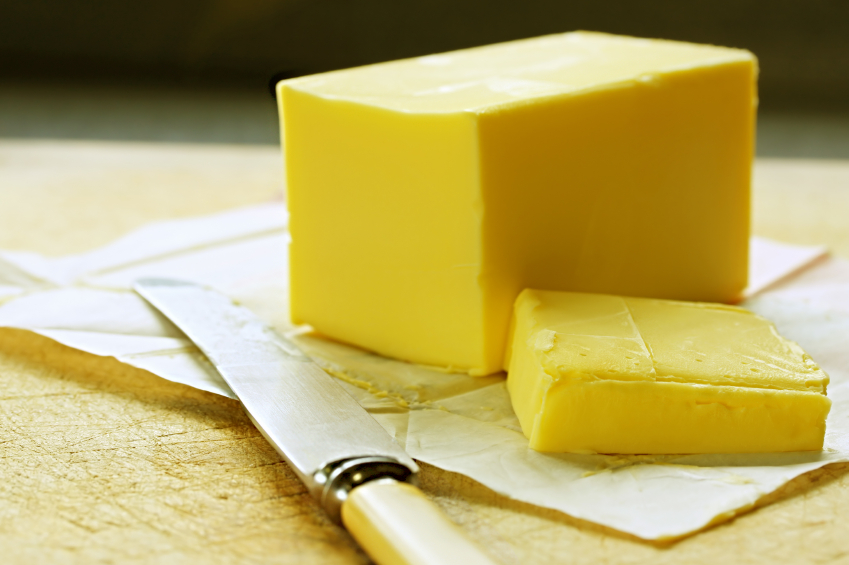
1. BUTTER - life tastes better with butter so put back that chemical ladened margarine and pick up some proper, hard-in-the-fridge, soft-on-the-table, free range/grass fed butter for your home. Delicious on vegetables, in mash, fry your soup veggies in it for a superior taste!!
Butter is packed full of fat soluble vitamins such as vitamin A which is crucial for thyroid function. With too many benefits to name here it is truly a health food that will not only nourish your thyroid but your whole body. And it will keep you fuller for longer. So now you know.


2. GIVING UP GRAIN - I am not grain free all of the time but my initial 2 month period without grains helped my gut heal considerably and I then introduced white rice or oats weekly. But we are certainly wheat/gluten free and I will never go back to it. Yes, I will admit that once or twice a year I miss crusty french loaf but for me the health risk is simply not worth it. Nothing tastes as good as being well feels. In my house, we all feel and function so much better this way so we won't be going back to our wheaty ways.


3. JELLY - As part of my healing mission we eat a lot of gelatin in the form of bone broths (stock), so our soups, stews and casseroles all taste amazing! Honestly you should definitely try this at home for an incredible flavour to your meals! But I won't stop there to ensure high gelatin intake, oh no. I also like to make fruit jelly and panna cottas to serve after a meal. I cannot tell you how delicious they are, we love them. I will NOT give these up. They heal me. They will heal you.


4. SUGAR - What a relief it was when I discovered that sugar is not the evil terror threat it is made out to be in many food circles. I mean, I need it!! In my coffee, in my fruit, in my meringues :) Gosh, it certainly gets a hard time but when you start to think of it as a valid energy source, a ready source of fuel for your cells then all becomes good in your relationship with sugar. And I am not talking about eating lots of sugary sweets, candy, biscuits and cakes (aside from the wheat content in most!!) I am talking about fruit sugars in delicious ripe fruit and fresh fruit juices, a spoon or 2 of table sugar in your coffee. Sugars in milk - when was the last time you enjoyed a glass of milk? I love it. And don't think you are escaping sugar by eating a diet with bread, pasta, vegetables.....They all break down to the same thing when in your gut - sugars. It is needed and easily used by your body so don't deny yourself the pleasure.
There is always a huge backlash when it comes to sugar so it is worth pointing out that research currently shows that a diet of high starch is closely linked to diabetes and obesity. Give me a glass of orange juice over a slice of toast any day.

For further reading on the great sugar debate please check the articles linked below by these awesome folk:

Ray Peat
Danny Roddy
Ark of Wellness


5. COFFEE - I LOVE my coffee. It gives me a boost in the morning before I head out the door with my little one and I know I can sustain the playtime once I've had it. I drink it with hot full fat milk, a large sugar and a scoop of coconut oil for additional pro thyroid benefits, energy and satiety but it really adds an edge of deliciousness previously unknown to me. However, the health benefits are amazing too, better brain function, clearer skin, more resistant to disease. All this from coffee??? Oh yes and more! I found an excellent article from Dr Ray Peat and he had this to say, "Caffeine has remarkable parallels to thyroid and progesterone, and the use of coffee or tea can help to maintain their production, or compensate for their deficiency." So if you can tolerate coffee, you can now relax and enjoy a few cups of the good stuff for better thyroid health!


Remember to 'like' our FACEBOOK page and please share details of your own thyroid therapy!